Living Beyond the Count of Years
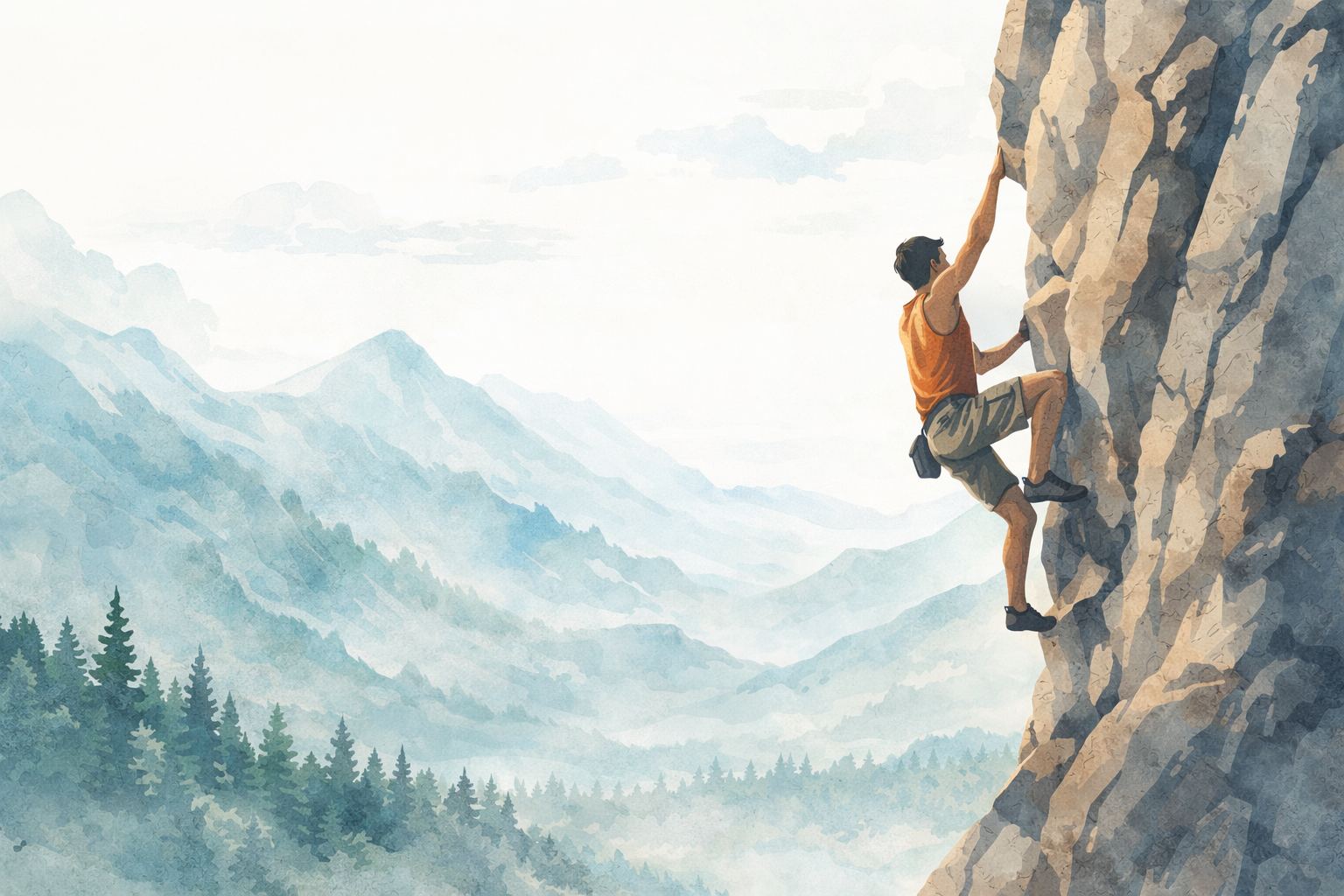
Last week, I discovered Alex Honnold for the first time while watching Skyscraper, where he climbs the Taipei 101. What struck me immediately wasn’t the danger – it was the calm. His movements were slow and precise, and his face carried an unmistakable sense of joy, almost bliss, as he moved upward. There was no rush, no drama – just presence.
What Makes Us Feel Most Alive
Curiosity pulled me deeper. I watched interviews, podcasts, and eventually Free Solo, where he climbs El Capitan in Yosemite National Park without protection gear. Again, what stayed with me wasn’t only the courage, but the clarity. Alex seems to know – deeply and unmistakably – what makes him feel most alive. For him, that feeling lives in free solo climbing: in the connection to nature’s wonders, the discipline of movement, and the quiet conversation between body and mind. He knows it to such an extent that not doing it would feel like a betrayal of himself.
I believe most of us carry a quiet knowing of what lights us up in this way. But we rarely take the time – or the risk – to fully clarify it, let alone live in alignment with it. Often, it’s not the lack of desire that holds us back, but the discomfort that comes with pursuing it. What strikes me so deeply about Alex is the purity of that clarity. It isn’t driven by the need to be seen – it’s grounded in honesty and integrity. For him this is living in alignment with the place inside him where life feels most vivid, most real.
The Quiet Work No One Sees
What fascinated me just as much was discovering how meticulously he prepares. Watching Free Solo, I realized that this climb – which took him close to 4 hours – is the result of almost eight years of preparation. For Alex, the ascent is not a gamble; it’s a choreography. Every movement is known. Every grip, every option, every possible adjustment has been studied, practiced, and documented. He journals it, repeats it, and memorizes it until his body knows the sequence like a dancer knows a performance. Seeing this shifted something in me. What we celebrate from the outside as a breathtaking achievement is often just the visible tip of years of quiet, disciplined, passionate work – work that usually goes unseen.
When Fear Becomes Familiar
Another layer that stayed with me was how often people explained Alex’s ability by saying something must be “wrong” with his brain – that he simply doesn’t feel fear. In Free Solo, they show scans of his amygdala, the part of the brain that usually activates when we experience fear. His amygdala appeared unusually calm – but not broken. Alex’s own explanation felt far more grounded. He believes fear hasn’t disappeared for him; it has become familiar. Through repeated exposure, fear turned into just another sensation – like hunger, cold, or fatigue – something to notice, manage, and move through thoughtfully. That reframing struck me deeply. It suggests that overcoming fear isn’t mysterious or superhuman, but the result of meeting discomfort again and again, until it loses its power to paralyze us.
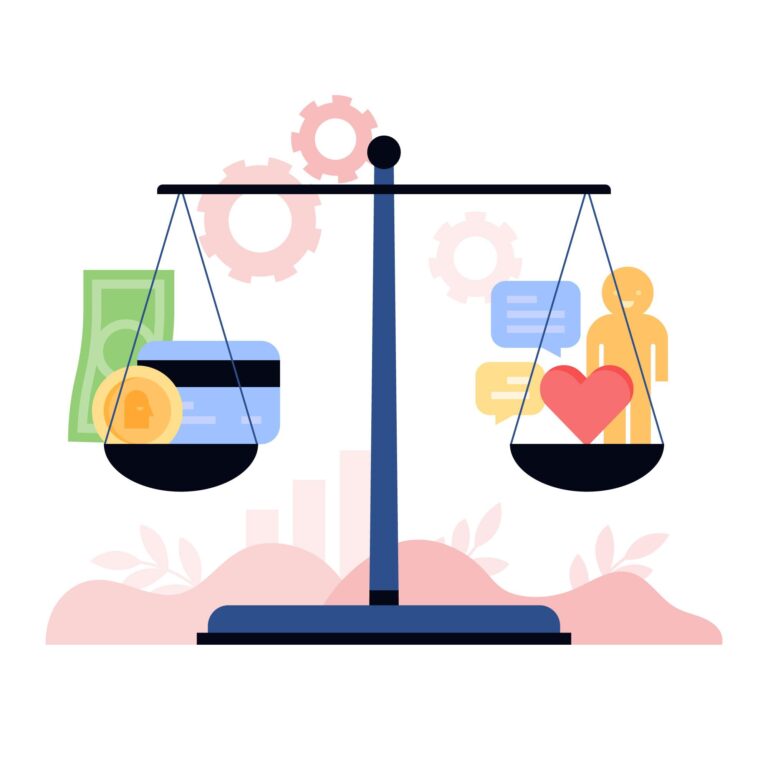
Watching him also made me reflect on how we measure life. One way is by its length – the number of years we live. Another is by its breadth – how often, within those years, we feel truly alive. For Alex, that breadth comes from devotion: to preparation, to growth, to presence, and to expanding the edge of his own capability.
Being Loved as You Are
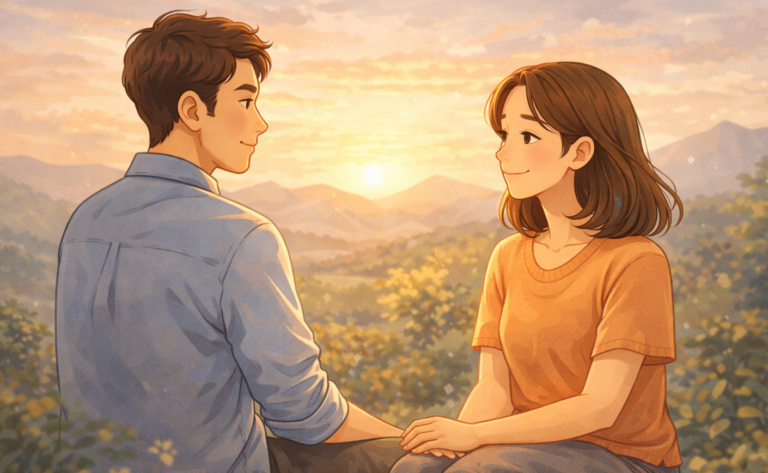
What moved me deeply was seeing how this devotion exists alongside love and family. His wife’s presence — supportive, trusting, and profoundly human — felt like a reminder that love doesn’t always ask us to become someone else. Sometimes it simply makes space for us to be fully who we already are. I feel that the highest form of love we can offer another person is to say: I am beside you, exactly as you are — while allowing ourselves to be fully vulnerable in the process.
Alex’s story isn’t only about overcoming fear. It’s about knowing what lights you up – and being willing to do the unseen work that makes great moments possible. It invites a quiet but powerful question:
What makes me feel most alive? And what kind of preparation, discomfort, and courage might that calling require from me?
Perhaps the true richness of life isn’t just how long we live –
but how fully, intentionally, and bravely we live while we’re here.
Idea Source: