
Fatigue explained
When we feel tired, we usually blame the obvious things: poor sleep, bad nutrition, not enough movement. And yes — those matter. But sometimes, even when we “do everything right,” the exhaustion stays.
That’s because fatigue isn’t only physical. Very often, it’s invisible.
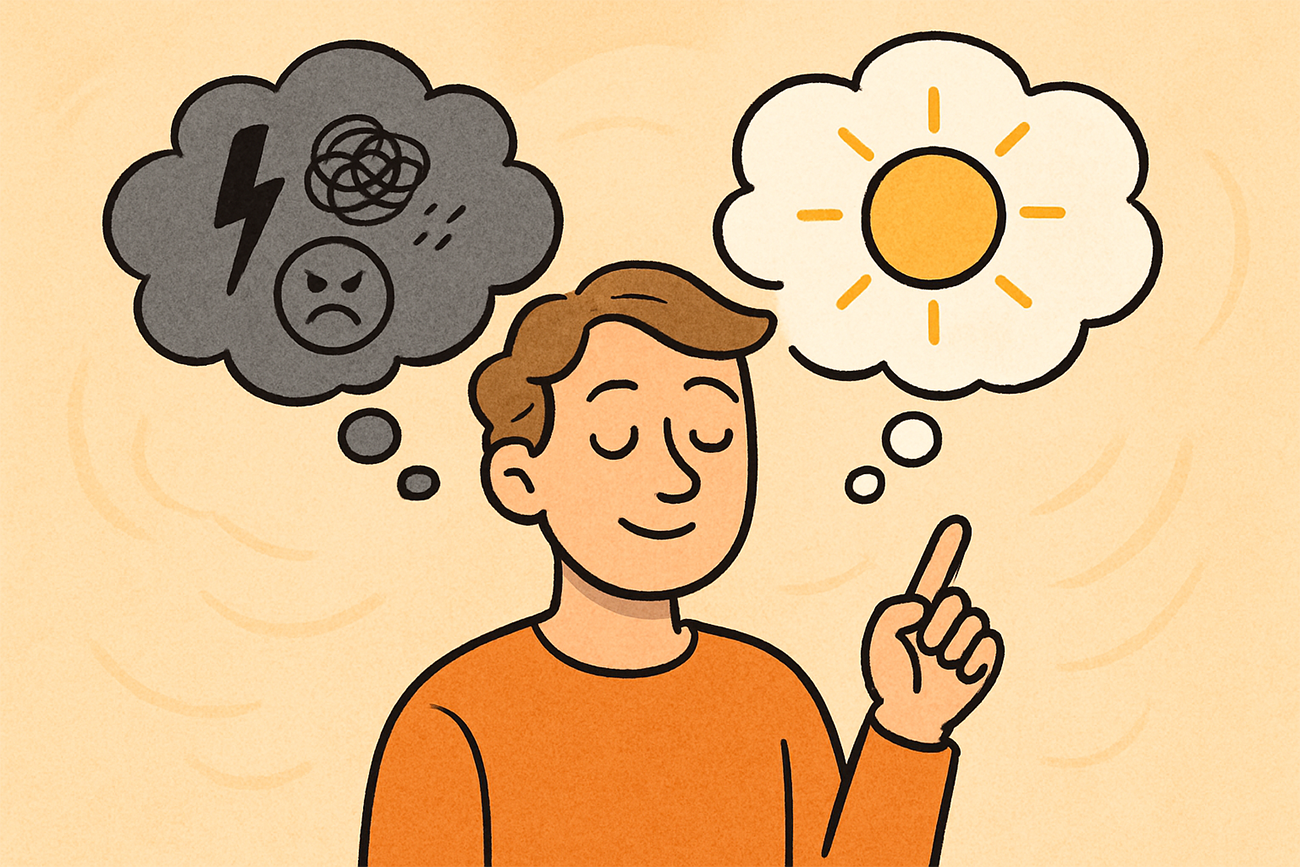
One of the biggest hidden drains is mental fatigue. The average person makes tens of thousands of decisions every single day – from what to wear, to what to say, to what to worry about. Even small choices add up. By the end of the day, your brain is simply tired of deciding.
Then there’s emotional fatigue. Being around people or doing tasks that constantly drain you takes a quiet but powerful toll. This doesn’t mean avoiding responsibility – it means becoming intentional. Can you limit what drains you? Can you make some tasks lighter, more playful, or more aligned with who you are?
Another overlooked cause of tiredness is the lack of purpose or direction. When you don’t know why you’re doing what you’re doing, everything feels heavier. Having a vision – for your day, your week, or your year – gives your energy somewhere to flow. Purpose fuels momentum.
And finally, many of us live in a constant fight-or-flight mode. Our nervous system stays on high alert, cortisol remains elevated, and our body burns energy as if danger is everywhere – even when it isn’t.
The invitation here is simple but powerful:
Take a gentle audit of your day.
What truly drains you? And what can you shift, even slightly?
Fatigue isn’t a failure.
It’s information.
And when you listen, everything can change.
Idea Source: